Education technology is a crowded field, and it is easy to feel pressure to adopt every new idea. For most schools, the useful question is not "what is new?" but "what would genuinely make our teaching and administration better, at a cost and effort we can sustain?" This article looks at several broad directions in school technology and offers a sensible way to evaluate them.
Trend 1: Moving core records to shared digital systems
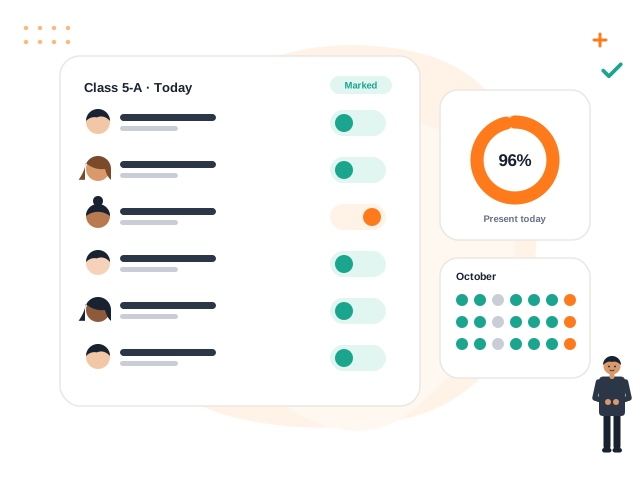
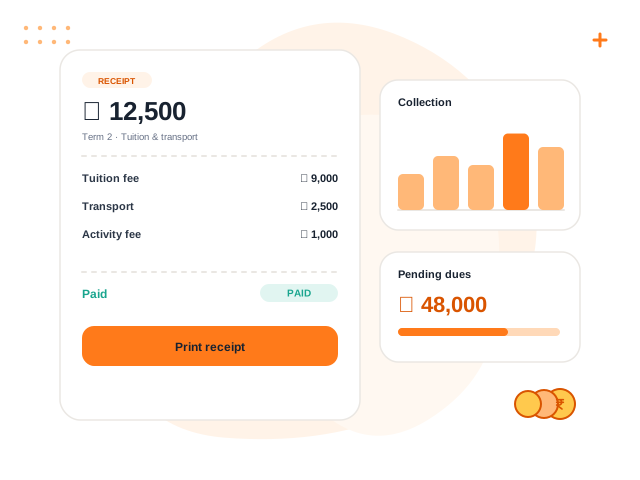
The most practical change for many schools is also the least glamorous: replacing separate registers and files with a shared system for students, attendance, fees and results. It reduces duplicate work and makes information available when decisions are made. For schools still on paper, this is usually the best starting point.
Trend 2: Parent and student portals
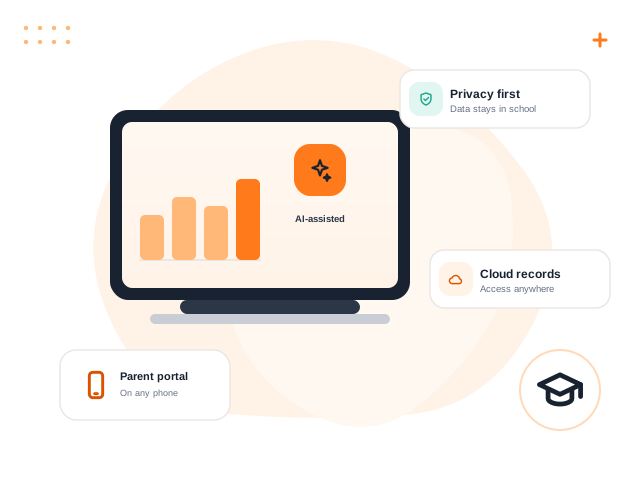
Families increasingly expect to check information themselves, such as attendance, homework, results and notices, without calling the school office. Portals reduce routine queries for staff and give families a consistent view. The key requirements are accurate data, careful access control and a clear message about where official information lives.
Trend 3: Blended and technology-supported learning
Many schools now mix classroom teaching with digital resources, online assignments and recorded explanations. The value depends on how well it is planned. Technology works best when teachers decide what problem they are solving, such as giving students extra practice or sharing a missed lesson, rather than when tools are introduced for their own sake.
Trend 4: Data used to support students
Attendance, marks and homework completion can highlight students who need help. The responsible use of this information means looking at patterns over time, talking with the student and family, and treating it as a way to offer support rather than to label children.
Trend 5: Growing attention to privacy and security
Schools hold personal data about children, so privacy cannot be an afterthought. Expect more questions from parents and regulators about who can see what, how data is stored and how long it is kept. Choosing tools that support role-based access and audit trails is a practical response.
Trend 6: Artificial intelligence tools
AI-based tools for drafting, summarising and practice questions are becoming common. They can help teachers with routine writing and planning, but they also raise questions about accuracy, fairness and student honesty. A cautious approach is sensible: let teachers try tools on low-risk tasks, check outputs carefully, and set clear rules for students.
Note: Do not enter identifiable student information into any tool until you understand how that tool stores and uses data.
A framework for deciding
Use the same questions for any new technology.
| Question | Why it matters |
|---|---|
| What specific problem does it solve? | Prevents adopting tools for novelty |
| Who will use it every day? | Adoption depends on the real users |
| What training is needed? | Hidden cost in time and effort |
| What data does it collect? | Privacy and legal responsibility |
| What happens if it fails? | You need a fallback plan |
| How will we know it is working? | Choose a simple measure in advance |
Practical steps for schools
- Fix the basics first. Reliable student records, attendance and fee processes are the foundation for anything else.
- Pilot before scaling. Try a new tool with one class or one department for a term.
- Invest in teacher confidence. Short, regular training sessions beat one large workshop.
- Mind the digital divide. Not every family has a smartphone or reliable internet. Keep non-digital options available.
- Review privacy and consent. Update your policies and tell parents what data you collect and why.
- Budget for the long term. Count training, support and renewals, not only the first year's cost.
What not to chase
Be cautious with promises of dramatic transformation. Technology rarely fixes weak processes or unclear goals by itself. If a vendor claims remarkable results without explaining how, ask for specifics and for what happens when the tool does not suit your school.
Keeping a sense of proportion
Good teaching, strong relationships and a safe, well-run school matter more than any tool. Technology is valuable when it frees teachers' time, makes administration more reliable and helps families stay informed. Start with the problems you have, choose tools that fit your staff and children, and be ready to adjust.
Volvoq focuses on the foundations described above: shared student records, attendance, fees, exams, homework, notices, parent and student portals and role-based access. It lists upcoming features separately as roadmap items, so schools can see what is available today.
Bring this into your school with Volvoq
Volvoq is a school ERP for student records, attendance, fees, exams and parent portals. Book a demo to see how it could fit your school.
Book a Demo